

Rethinking fire protection water usage in data centers
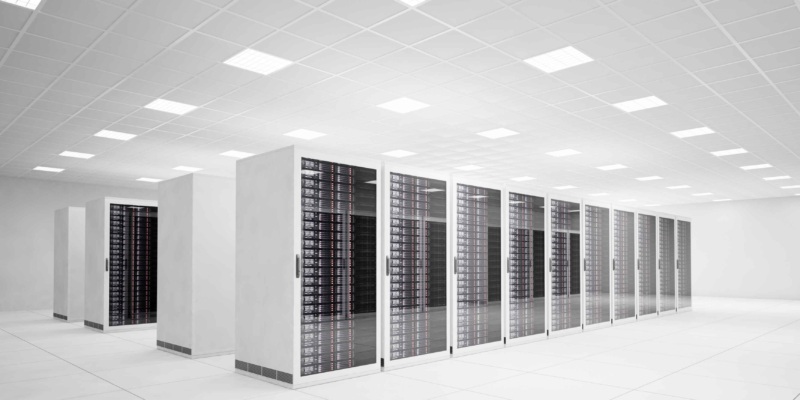
As AI, hyperscale computing and cloud services accelerate data center expansion, sustainability expectations are shifting. Energy efficiency has long dominated the discussion, but water usage is now under increasing scrutiny. This includes cooling technologies, as well as fire protection systems that are often left out of sustainability debates.
Data centers are also being built in regions where water availability is limited, while regulatory and local expectations around water usage effectiveness (WUE) are tightening. Together, these pressures are forcing the industry to reassess how water is used across the facility.
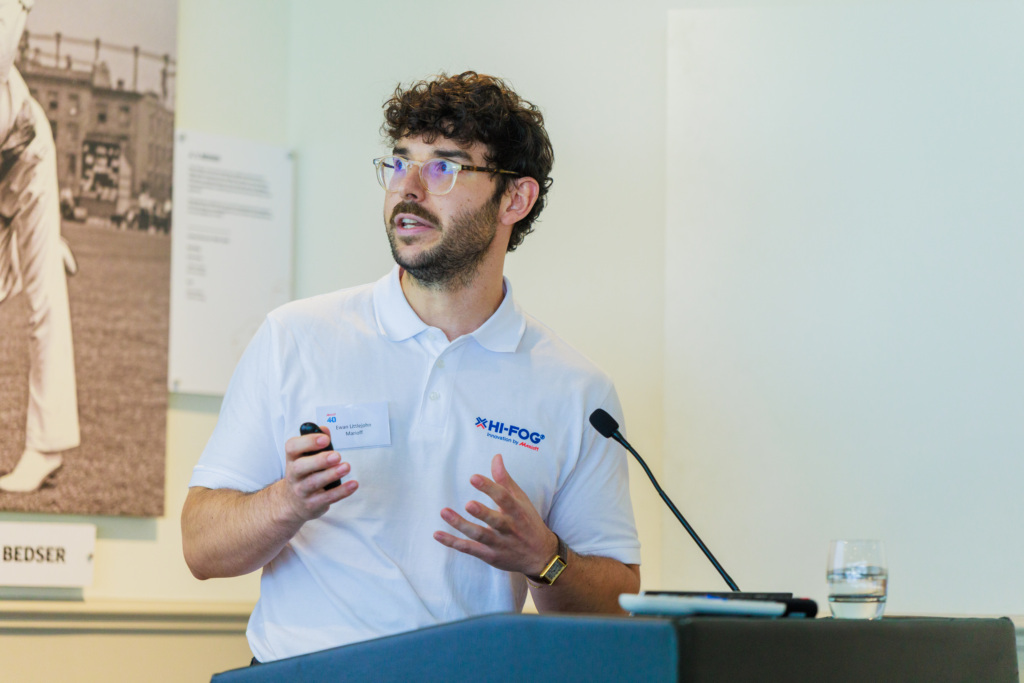
Ewan Littlejohn is Business Development Manager for Data Centers at Marioff leading business development across Europe. With a background in architecture and past experience across design and delivery roles at Marioff, he works closely with designers, consultants and operators throughout different project phases. He helps educate them on the benefits of using high-pressure water mist as their fire suppression of choice to protect their building and assets.
Why water is under scrutiny now
The rapid growth of AI workloads and high-density computing has introduced new cooling methods, such as liquid cooling, which can significantly increase water demand.
“As modern data center designs demand more water to keep new technologies cool, especially with AI, the question becomes where water can be saved elsewhere,” Ewan explains. In parts of Europe, WUE targets already influence design and permitting decisions, affecting where and how projects move forward.
As water becomes a more visible constraint, attention is turning to systems beyond cooling. Fire protection is one of those systems.
Fire protection and the water footprint
From a cost perspective, fire protection is a small share of a data center project. From a risk perspective, it is critical.
“We’re typically around one percent of the total build cost,” Ewan says. “But if there’s a fire scenario, the impact on equipment, downtime and reputation is huge. Choosing the correct fire suppression system is a small decision that plays a critical role in managing those risks safely and reliably.”
During normal operation, fire protection has minimal impact on water consumption. The difference becomes clear in design and in a fire scenario: high-pressure water mist can reduce water storage needs, pipe sizes and structural load compared to traditional sprinkler systems, supporting both space efficiency and material savings.
Ewan Littlejohn, Business Development Manager for Data CentersInstead of drowning the space with water, we’re actually starving the fire.
What happens during a fire event in data center
In traditional sprinkler-protected data halls, a fire can result in the discharge of hundreds of thousands of liters of water, increasing cleanup time and downtime. Drainage requirements may also drive additional infrastructure and costs, often overlooked at initial design stages.
High-pressure water mist works differently. By atomizing water into fine droplets, the system absorbs heat rapidly, displaces oxygen and suppresses fire more efficiently with mere tens of thousands of liters. “Instead of drowning the space with water, we’re actually starving the fire,” Ewan says.
This approach can reduce water discharge by up to 90% when compared to traditional sprinkler systems, limiting secondary damage while maintaining effective fire suppression.
Reducing risk without compromising safety
In data centers, fire protection is inseparable from business continuity. Downtime, equipment loss and reputational damage can be severe if system behavior and water discharge are not properly understood at the design stage.
One persistent misconception is that water and electronics do not mix. “Water mist is a proven and tested technology,” Ewan notes. “It can suppress fires more efficiently using less water than other water-based solutions.”
Performance-based fire testing, appropriate approvals, correct bulb-temperature selection and pre-action system designs reduce the risk of false discharges and uncontrolled water spread in sensitive areas within the data center.
Rethinking assumptions for future data centers
As sustainability expectations rise, water efficiency is increasingly shaped by regulators, insurers, investors and operators to meet with new WUE and/or sustainability goals. While active fire suppression is not always mandated, it is increasingly a critical, practical decision to protect data center assets and ensure operational continuity.
High-pressure water mist fire protection is not new, but its full potential is still being realized in the data center sector. As facilities are designed for AI-driven growth, the correct fire protection should also be considered alongside energy use, cooling and resilience.
Protecting critical digital infrastructure has always been essential. Doing so with a clear understanding of water usage, risk and reality is now part of building truly future-proof data centers. High pressure water mist helps data centers reduce environmental impact without compromising on safety or reliability.

The HI-FOG water mist fire suppression system safely controls and effectively suppresses fire by discharging a fine water mist at high velocity, creating significantly less water damage than other conventional sprinkler systems. We provide peace of mind to your operations.
Read more about fire protection for Data Centers